
Species by group
Look up a species by its group, from birds and mammals to fungi and invertebrates.
Browse groups →UK Biota — UK Wildlife, Species and Biodiversity Hub
Where to look up protected sites Explore UK habitatsThere's wildlife all around us in the UK. It's in gardens, parks and towns, as well as in the countryside.
Some of it is doing well, and some of it is in trouble. It can be hard to find out which. The information is held by a lot of different organisations, and you have to know where to look.
We'd like to bring it together in one place. We've made a start, and we're adding to it.
You can begin with whatever brought you here.
Pick the one closest to what you'd like to find out.
Look up a species by its group, from birds and mammals to fungi and invertebrates.
Browse groups →Find the official maps of protected sites and habitats, and the rules that cover each one.
Find places →What the law says about a species or site, with the schedule and section named.
Read the law →See where the national measures of species and habitat trends are published.
See the picture →The pressures affecting UK wildlife, and what the evidence shows about each one.
See the issues →Learn what habitats support UK wildlife and where the priority habitats lie.
Explore habitats →Add your sightings to schemes that put the records to use, wherever you are.
Start recording →Work out what you saw, with the features that separate it from similar species.
Get help identifying →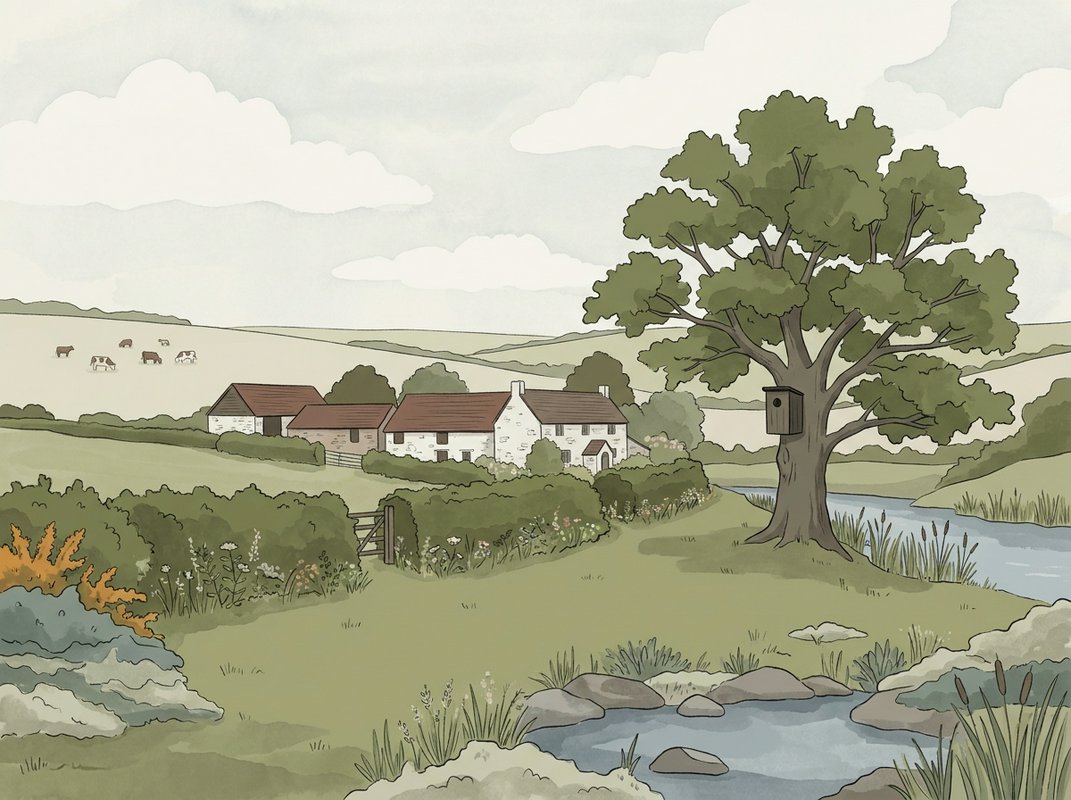
Wyke Farm, in Dorset, keeps its own record of the species found on its land, including at Chedington Woods. We show that record here with the farm's permission, credited throughout to Wyke Farm Ltd.
To tell whether a change in land management made a difference, you need records from the same place before the change and again afterwards. Wyke Farm keeps its entries that way: each one is dated, tied to a named plot on the farm, and traceable back to the farm.
You'll find more examples of what changed after a specific action, at Wyke Farm and elsewhere, on the case studies page.
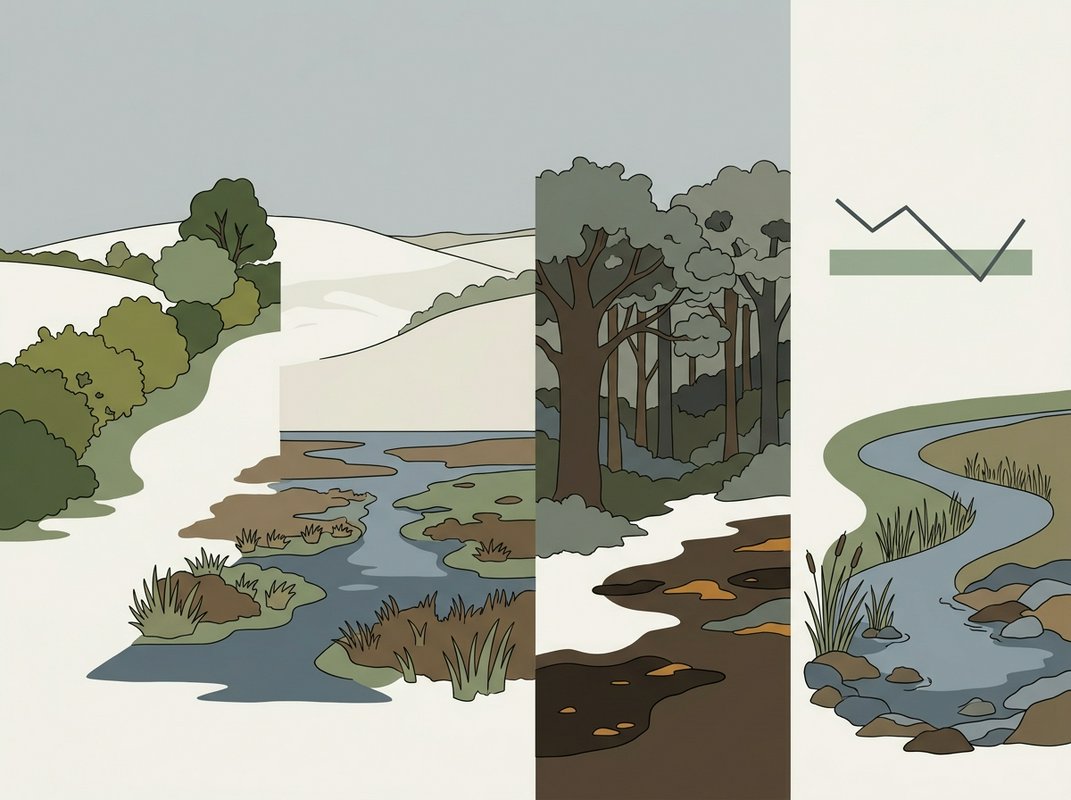
Three different bodies publish the official measures of how UK wildlife is doing, each for its own purpose.
We'd like UK Biota to sit alongside them. The national records rarely show a single species or a single place, and that's what we'd like to collect. To see how these measures read the picture today, go to How Is UK Biodiversity Doing?
Woodland, wetland, grassland and coast each have their own species, their own pressures and their own protections.